
The World You Inherit

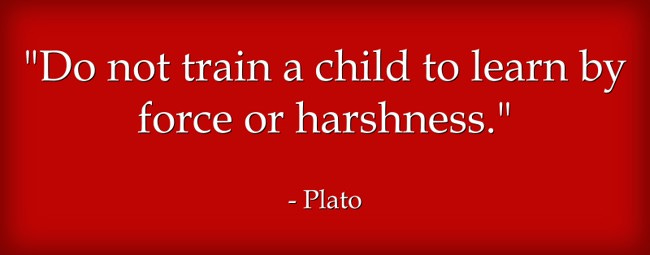
Imagine arriving somewhere you own nothing. Not your body, not your time, not your voice, not even your own thoughts, and before you can speak a word, someone bigger than you has already decided what is acceptable to feel and what isn’t.
Before you can reason, you’re expected to obey. When you make a mistake, someone calls it a lesson, and depending on the house you were born into, that lesson might come wrapped in a raised voice, or a threat, or a bribe, or the hand of the very person who claims to love you more than anyone on earth.
You learn fast, faster than anyone gives you credit for, that power is what decides what happens next in your life. Not your understanding of the situation. Not your curiosity about why things are the way they are. Power is all that matters. Whoever has more of it in the room gets to write the story, and you get to live inside whatever they write.
That pattern doesn’t fade as you get older; it changes. You’re handed responsibilities you never agreed to and never fully understand, while the adults around you routinely excuse themselves from the very standards they demand of you. You’re placed into schools and systems that reward you for compliance far more often than they reward you for curiosity, and you learn quickly that your questions are treated as inconveniences and your differences are treated as disorders. When you don’t fit neatly into what the system expects, the adults in charge tend to get a lot more interested in correcting your behavior than in understanding your experience.
This is the quiet, unspoken deal every child is handed. Spend your entire childhood adapting to a world you had no part in building, absorbing its rules, its punishments, its moods, and its contradictions, and then, on some invisible day when you turn eighteen or twenty-five, we expect you to become a healthy, whole, functioning adult, as if none of it left a mark on you.
That’s the hypocrisy sitting underneath so much of what we call growing up. We pour enormous energy into repairing broken adults, into therapy and self-help and medication and endless conversations about healing, while paying remarkably little attention to the environments that shaped those adults in the first place. We treat the injury but ignore where the wounds happened.
I spent years carrying patterns I never chose, reacting to my own kids the way someone once reacted to me, before I understood that I was allowed to put it down. That is why fatherhood matters so much more than most men realize.
Not because a father is supposed to rule his home like a small kingdom, handing down decisions from above and demanding they be followed without question. Because a father is supposed to protect his home, and protection is a completely different stance than control. A father should be the one place in a child’s entire world where they discover that love doesn’t require fear, that mistakes don’t come with threats, that asking questions isn’t an act of rebellion, and that respect can exist without intimidation.
Our kids don’t need one more authority figure standing over them demanding compliance. They already have plenty of those waiting for them the moment they walk out the front door. What they need, what they’re actually starved for, is a man who can model understanding without relying on coercion. A man who can lead without coercion. A father doesn’t need to intimidate. Leadership that isn’t measured by how many kids submit to you, but by how many freely choose to follow your example.
Every generation is born into a world it had no hand in building, and every father gets one real chance to change the only piece of that world he actually has control over, which is the four walls of his own home.
The cycle a family carries doesn’t end because a government changes, or a school system gets reformed, or the culture shifts in some new direction. It ends the moment one father decides that the pain handed down to him stops with him, that whatever he inherited, he is not going to hand it forward to the next set of small hands that trust him completely.
That’s where every better world actually begins, not in a legislature, not in a classroom, and not on a campaign stage under bright lights. It begins in the quiet, unglamorous, daily decision of how one man chooses to treat the smallest people who were ever entrusted to him.