
The Internal Power Struggle Behind Abuse

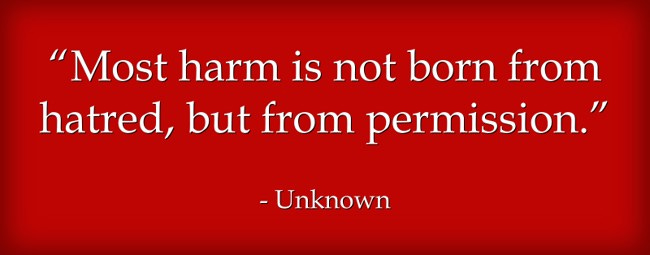
People want abuse to be simple. They want villains and monsters. They want a clean separation between “those people” and everyone else. That story feels safe, but it avoids the truth.
Abuse isn’t a type of person. It’s what happens when internal priorities are rearranged to put personal needs above human care.
Every person is a collection of competing drives operating simultaneously. Hunger, sex, comfort, money, status, validation, power, safety, control, belonging, and love. None of them are inherently bad. They are built-in human needs. The real question isn’t whether they exist, but which ones consistently win when they come into conflict and what gets sacrificed when they do.
In a healthy person, love is the ultimate filter. The internal line that says: “I will not harm you to get what I want.” The drives are still there, the anger, desire, and ambition still show up, but they don’t get permission to override care for another person.
Abuse begins when that changes.
When getting a need met becomes more important than protecting the person in front of you, harm becomes an acceptable cost. And from the inside, it rarely feels like harm. It feels justified. It sounds like “I had to.” It sounds like “You made me.” It sounds like “I didn’t have a choice.” That is what it looks like when a drive takes control over love.
Let’s talk about parenting first. In a healthy state, authority is guided by care. It says, “I am responsible for you, and I will lead you in a way that builds your strength and dignity.” There is structure, boundaries, and guidance, but it is anchored in connection. When control and frustration override care, parenting shifts into domination. The child is no longer treated as a developing person, but as something to correct, manage, or break into compliance.
Punishment, threats, yelling, and coercion don’t come from teaching or guidance. They stem from the need for immediate obedience, which takes priority over long-term relationships and trust. From the inside, the mistreatment of your child feels justified. It sounds like “They need to learn.” It sounds like “Nothing else works.” And my favorite one, “I’m doing this for their own good.” This is what happens when power takes over where patience and connection should lead.
Take sex. In a healthy place, desire lives inside care and respect. It says, “I want you, and I want you to want me.” There is patience and vulnerability. But when desire pushes past love, the tone changes. It becomes urgency, then entitlement. It quietly turns into, “I need access to you.” In that moment, the other person stops being someone to connect with and starts becoming a way to relieve pressure. That shift is the beginning of harm and where infidelity is born.
Cheating doesn’t begin with a decision to destroy a relationship. It begins with fear of rejection. It feels safer to seek validation in secret than to risk asking for what you need and facing distance, discomfort, or disinterest. This one unmet need now feels more important than the trust you promised to protect. And that secrecy is its own form of abuse. It strips the other person of the ability to make informed choices about their own life and replaces honesty with manipulation.
Take money. Ambition and providing are not the problems. The problem begins when financial drive overrides care. The parent who is always working. The partner who values success over connection. The person who justifies emotional absence as a responsibility. A life built only around output slowly strips away connection, rest, and meaning. Burnout and distance become normal. The people who love you feel secondary to the role you perform. You disappear from your own life while convincing yourself it’s a sacrifice. What looks like dedication from the outside often feels like abandonment from the inside for everyone involved.
Image is one of the most socially accepted distortions of this. Entire families are held together by appearances. Smile in public, perform stability, hide dysfunction, and if you disrupt the image, you are punished for it. In those systems, being seen as good matters more than actually being good. Love gets replaced by performance, and truth becomes a threat.
Anger works the same way. Healthy anger signals something needs to be addressed. But when anger overrides love, it demands release instead of resolution. Now, shouting, intimidation, and even violence feel justified because the goal is no longer connection; it is discharge. Usually, the closest person becomes the outlet.
Control is another expression of the same pattern. When love is guiding things, relationships are voluntary and flexible. When control takes over, relationships become managed, monitored, restricted, and coerced. Control is what fear does when it believes love is not enough to hold things together.
Comfort is quieter but just as damaging. Neglect rarely looks like action. It looks like avoidance and disengagement. Refusing difficult conversations, refusing growth, and refusing responsibility. Comfort says, “This is too much.” Love says, “This matters more than my ease.” When comfort wins too often, people disappear emotionally while still being physically present.
And then there is shame. The most volatile force in this entire system. Shame says, “If I am exposed, I am finished.” So criticism feels like an attack, and feedback feels like humiliation. When protecting self-image becomes more important than protecting the relationship, punishment follows. Rage, gaslighting, retaliation, all of it becomes a defense against exposure.
Every abusive pattern follows the same sequence. A drive is threatened, fear activates, control attempts to restore stability, and harm is justified. Repeat that pattern enough times, and it stops being an episode and starts becoming a way of relating.
This is why “just stop” never works. You are not asking someone to stop a behavior. You are asking them to undo the system that organizes their responses to stress, threat, and desire. That takes time, it takes awareness, and it takes confrontation with parts of themselves they have built their identity around avoiding.
Everyone has the capacity for this. Every person has moments when their needs rise above their care for others. The difference between a person who becomes destructive and a one who remains steady is not the absence of these impulses. It is whether they have the discipline to recognize them, and the integrity to restrain them when they would cost them what they claim to value most.
Abuse is not born in monsters. It is formed in small acts of self-deception. When a person stops accounting for what they are taking, stops feeling the weight of what they are sacrificing, and begins to believe that consequences only belong to others.