
The Good Guy Trap

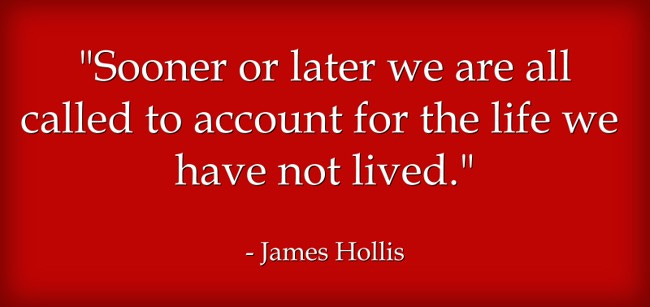
After spending the last decade talking with hundreds of men, I’ve noticed a pattern that has completely changed the way I think about sacrifice.
When I was younger, I admired the men who gave the most away. The man who never took a day off. The man who always put everyone else first. The man who quietly carried responsibilities no one else wanted and never complained about the weight. I thought that was the highest form of masculinity.
You’ve probably met him too, or you’ve spent years trying to become him. He’s dependable, responsible, and selfless. He’s the one everyone calls first because they know he’ll show up. He works hard, keeps his word, sacrifices for his family, and carries more than anyone realizes. From the outside, he’s exactly the kind of man we tell our sons to become.
I call him the Good Guy, and he’s different from the Nice Guy you’ve probably already heard plenty about, the one who avoids conflict and chases approval hoping that if he’s agreeable enough, people will finally give him the love he’s looking for. The Good Guy isn’t performing for approval. He already has it, and that’s what makes him so hard to see clearly, and so hard to help.
I spent years admiring him before I understood I was doing something more dangerous than admiring him. I was trying to become him. Then one day I understood what I was actually building, and it had nothing to do with being a good man.
I wasn’t trying to be a good man.
I was trying to become a man nobody could be disappointed in.
Sit with that for a second, because it might be your sentence too. One of those is an expression of love. The other is driven by the fear of losing it. Once I saw that in myself, I started seeing it everywhere, in every man I talked to who described his life as full and his chest as empty.
The tragedy isn’t that you sacrifice. Every meaningful relationship requires it. Fathers lose sleep for sick children. Husbands put their own plans aside when their wives need them. Business owners stay late because employees are depending on them. Love has always required us to give something of ourselves, and that was never the problem.
The question worth asking yourself isn’t whether you sacrifice. It’s why. After years of conversations with men, I’ve become convinced that’s one of the most important questions any of us can answer honestly.
I’ve watched men work themselves into exhaustion, neglect their health, abandon friendships, and slowly build lives where everyone else’s needs came before their own. Sometimes that was love in its purest form. Other times I watched someone disappear while everyone around him applauded his selflessness, and he mistook the applause for proof he was doing it right.
That’s what makes the Good Guy so difficult to recognize, in yourself most of all. His greatest strengths become the very things that slowly erase him. Two men can live almost identical lives on the outside. Both provide, both protect, both sacrifice, and both love their families deeply, but internally, they’re living in completely different worlds.
One sacrifices because he chooses to. The other sacrifices because he no longer believes he has another choice. Ask yourself honestly which one you are, because the answer changes everything about how the rest of your life will feel.
I’ve realized that many men don’t actually know what they want anymore. They know what everyone else expects. They know who depends on them. They know what needs to get done. Ask them what they would choose if nobody were disappointed by the answer, and most of them go quiet. They’ve spent so many years becoming what everyone else needed that they’ve slowly lost contact with themselves.
I’ve sat across from men who could tell me exactly what their wife wanted, what their boss expected, what their kids needed, and what everyone else was counting on them to do.
Then I’d ask them one simple question. What do you want?
I’m asking you the same thing right now. A few men answer immediately. Most just sit there, not because they’re hiding something, but because nobody has asked them that question in years, including themselves.
This doesn’t begin in adulthood. It begins much earlier than that, and probably earlier than you’d like to admit. Some boys discover they’re praised for being responsible. Others learn they’re safest when they’re quiet. Some become the achiever. Some become the protector. Some become the boy who never asks for anything because everyone around him already seems overwhelmed.
The Nice Guy is trying to earn approval. The Good Guy is trying to earn something much deeper.
He’s trying to deserve his place.
Somewhere along the way, he learned that love wasn’t simply something he received. It was something he earned. So he became useful, then dependable, then responsible, then indispensable. Everyone thanked him for it. Almost nobody noticed what it cost him.
But there is a cost to everything. It costs him the ability to be sick without guilt, because the household still needs running. It costs him friendships, because friendship requires a kind of unguarded time that only exists once obligation is paid off, and for him obligation never gets paid off. Providing stops feeling meaningful and starts feeling like the only evidence he has that he’s worth keeping around.
At some point, sacrifice stops being a decision and quietly becomes an identity, and an identity you never chose eventually starts to feel like a cell you built with your own hands and locked from the inside.
You might already know this feeling. Trapped by work, trapped by marriage, trapped by fatherhood, trapped by the endless pressure to provide. I don’t think you’re trapped by the people around you. I think you’re trapped by the belief that your worth depends on never letting anyone down.
That’s a prison without walls, and it’s the only kind that lets the prisoner keep insisting he’s free.
The healthiest men I’ve met still sacrifice, still provide, still stay awake with the sick child, still put the people they love before themselves when the moment calls for it. The difference isn’t what they do. It’s the freedom they do it with. They know how to say yes because they’ve also learned how to say no. They can disappoint someone without believing they are a disappointment. They can receive help without feeling ashamed. They can rest without feeling guilty, because their identity no longer depends on being indispensable to everyone in their life at once.
The older I get, the less I measure a good man by how completely he’s willing to abandon himself for everyone else. I measure him by whether he can love deeply, serve generously, and sacrifice willingly without losing himself in the process.
Good men have always been willing to sacrifice for the people they love. The tragedy is how many of them forgot they ever had a choice.