
Optimizing Misery And Deception

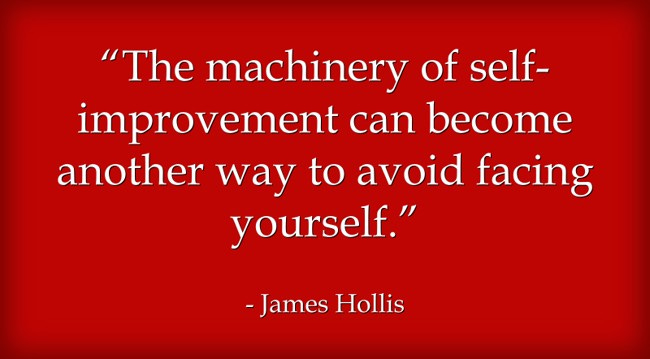
People think self-help is about growth, but much of modern self-help is really about sedation. It teaches people how to survive lives they should have never built in the first place. Instead of confronting why their existence feels heavy, oppressive, and disconnected, they are taught how to “manage stress.”
Instead of questioning relationships filled with quiet resentment and emotional deadness, they are taught better communication techniques to preserve them. Instead of asking whether the systems they live inside are slowly draining the life out of them, they are handed productivity hacks designed to make them function more efficiently inside the cage. The message becomes about how to optimize the exhaustion, tolerate the emptiness, and smile as one slowly disappears.
That is why so much self-help feels empty. It treats symptoms while protecting the disease itself. A man wakes up every morning with dread sitting in his chest. Instead of asking why his life feels spiritually dead, he downloads another productivity app, builds another morning routine, buys another supplement stack, starts another dopamine detox, or listens to another podcast promising to squeeze more performance out of a soul already begging to stop. He assumes he needs more discipline. Sometimes what he really needs is destruction.
Most people are not overwhelmed because life is unbearable. They are overwhelmed because they are carrying things that poison them. Relationships built entirely on transactions. Friendships sustained by history instead of genuine respect. Careers rooted in fear rather than meaning. Beliefs built on shame and fear. Entire identities that were constructed to survive an abusive childhood. The darkest part is that many people already know this. Deep down, they know which relationship suffocates them. They know which habits are rotting them from the inside out. They know which environments shrink them. They know which conversations force them to betray themselves just to maintain temporary peace.
But they stay because human beings cling to familiar suffering rather than risk the unknown. A miserable identity still feels safer than having no identity at all. So instead of removing the infection, people learn how to medicate the pain. Anxiety becomes normalized, numbness becomes normalized, and constant distraction becomes normalized. People lose the ability to sit alone with their own thoughts, and eventually, they call this adulthood.
The first real step toward improving your life is not adding more. It is developing the courage to subtract. Subtract the performance, subtract the noise, subtract the compulsions, and subtract the endless hunger for approval. Remove the people who survive by feeding on your guilt. Remove the version of yourself that was built to survive environments you no longer live in. Because much of what people call “self-improvement” is really just maintaining psychological cages with better filters.
Real growth is far more brutal than the self-help industry wants to admit. It is watching entire identities collapse. It is grieving the life you built around fear. It is admitting that some of your ambitions were trauma disguised as purpose. It is realizing that your busyness was often an escape from yourself. It is confronting the possibility that many of the goals you chased were never truly yours to begin with.
Most people do not need better strategies, better routines, or more optimization. They need the courage to stop feeding the things that are slowly killing them, and when enough of what poisons you finally dies, something strange begins to happen. Peace no longer feels like something distant that must constantly be chased. You realize it was buried underneath everything you refused to let go of.